Purification Systems
Not sure which service you need?
Treatment Plants
Not sure which service you need?


Reach out on WhatsApp for a free site visit and quote.
HomeCare RO installs 5 to 7-stage RO systems sized to the property, from a single home kitchen to a full commercial unit. Every installation includes a free water quality test, a walkthrough of the system, and a first-year service schedule.
Multi-stage RO water purification for homes, offices and commercial kitchens
Genuine parts, transparent pricing, and a technician who shows up on schedule.
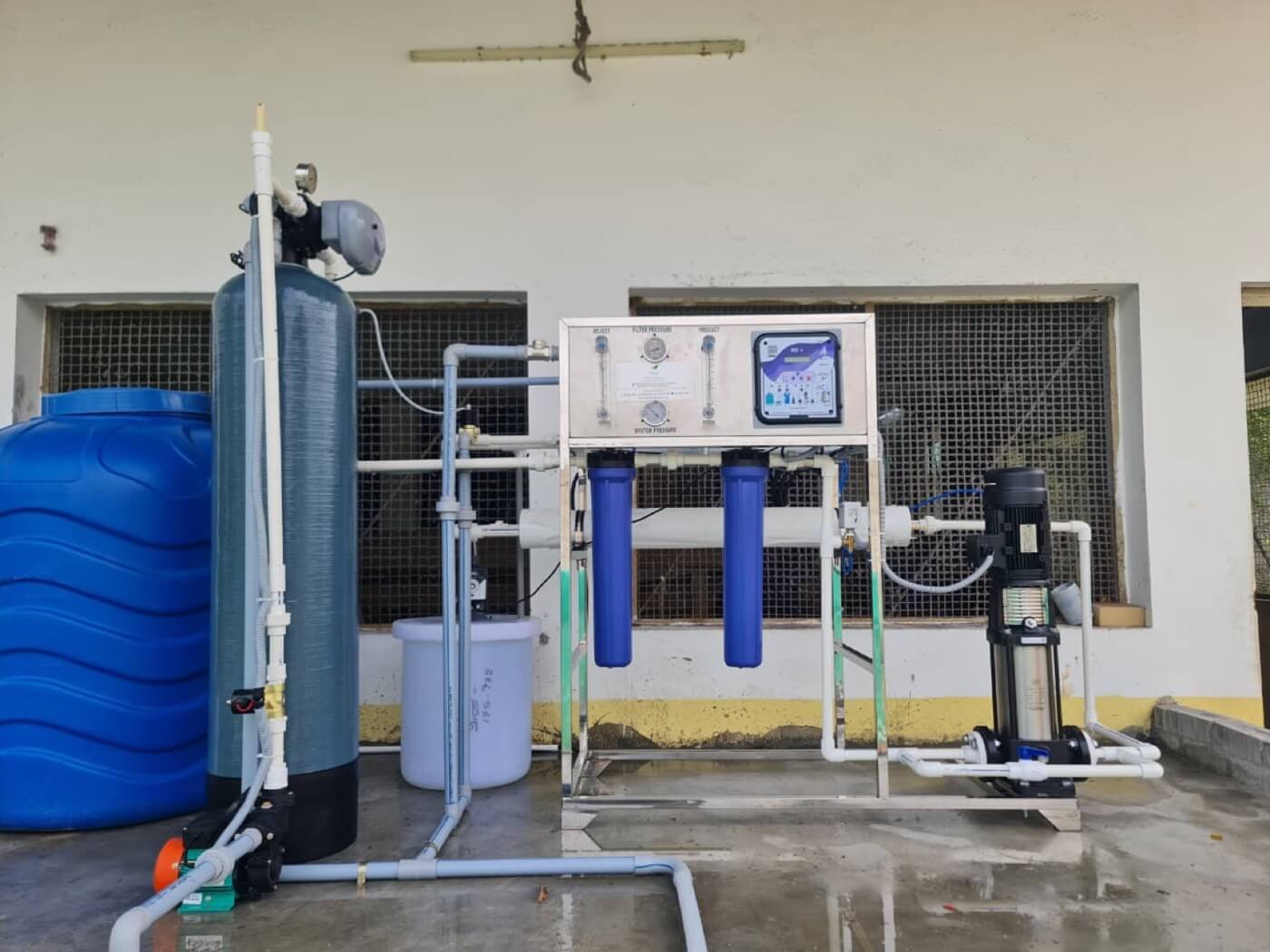
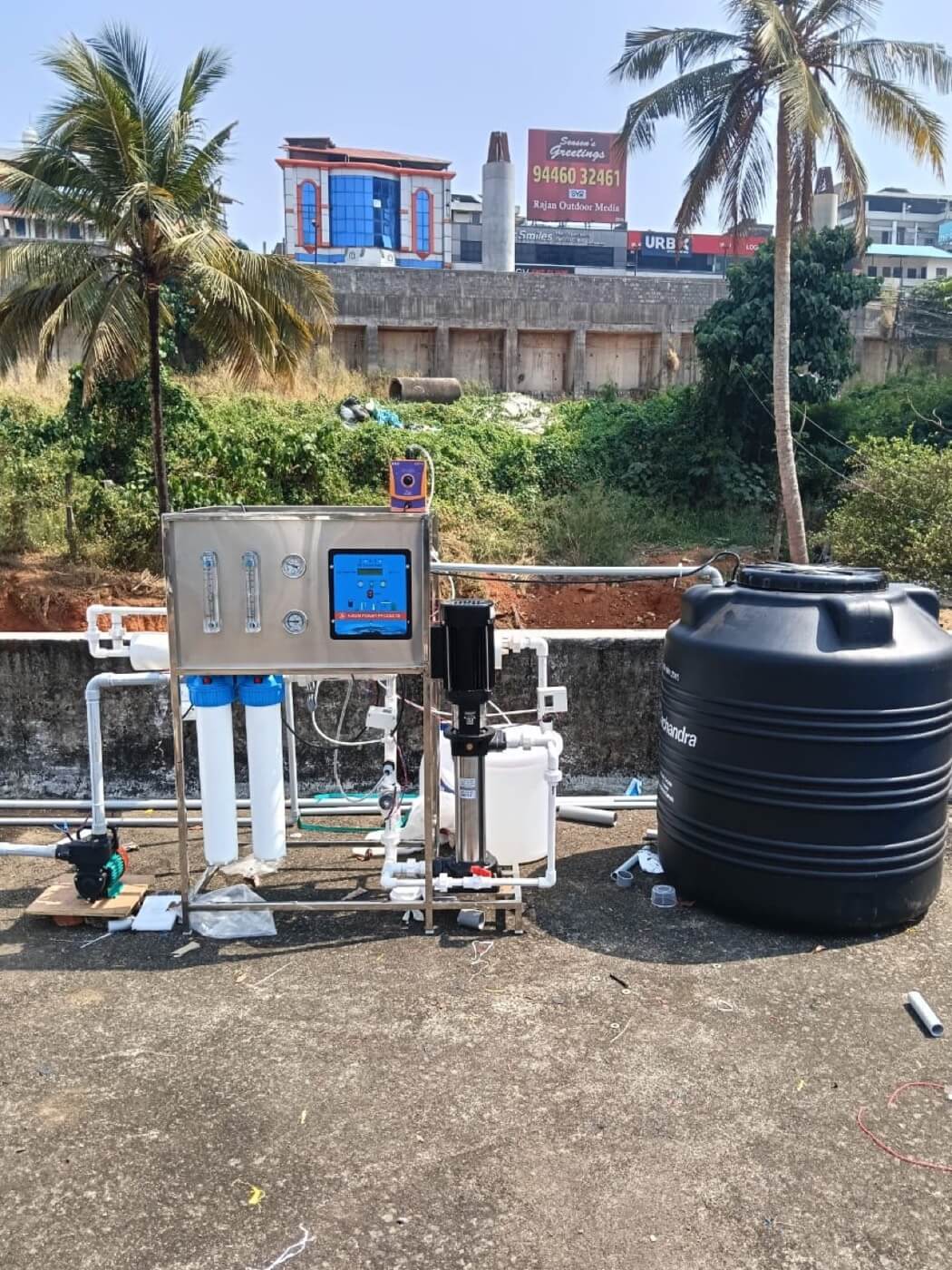
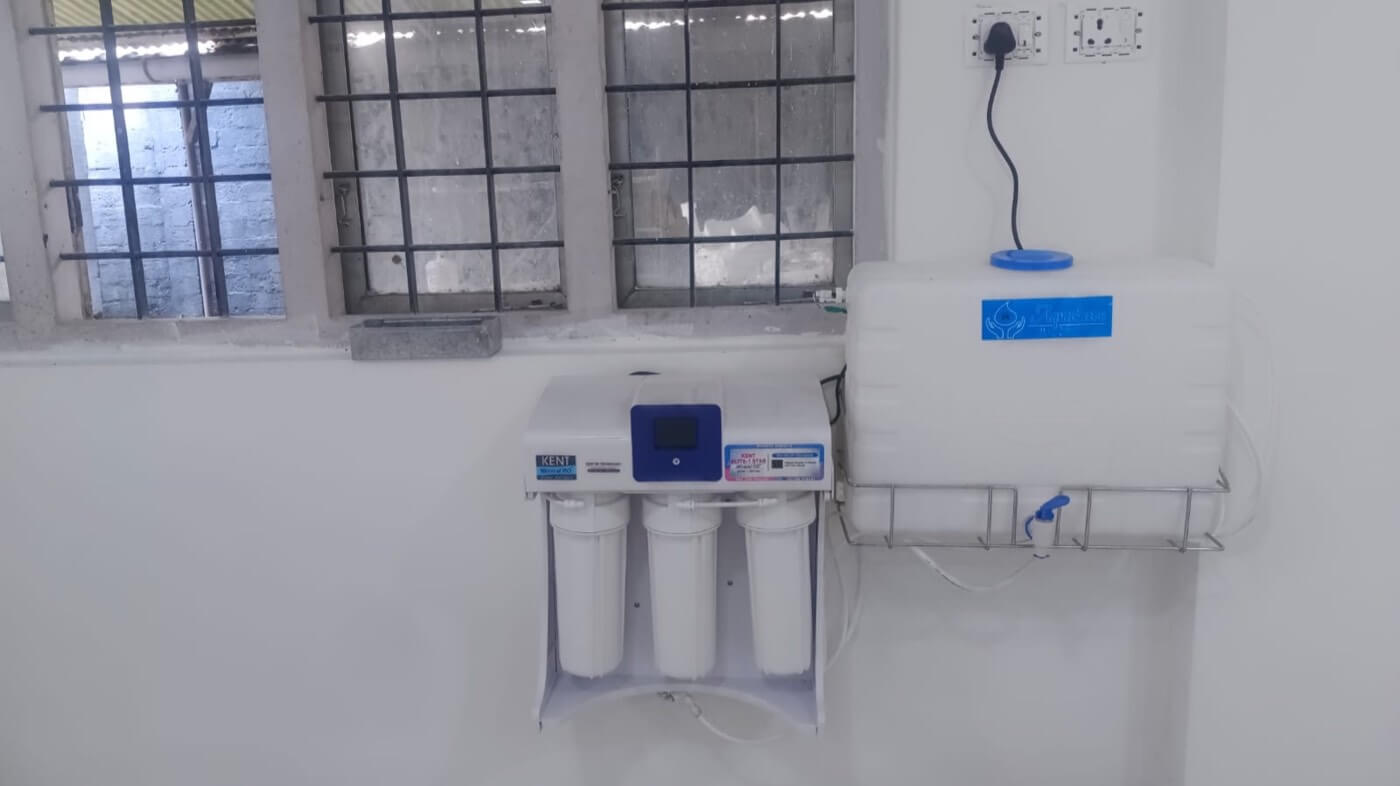
A water purifier plant is a filtration unit sized to produce clean water from borewell, tanker, municipal or brackish sources. HomeCare RO supplies and services these systems in Kochi and nearby parts of Kerala, with a free water test before any recommendation. The difference between a home purifier and a commercial plant is mainly capacity, mounting, recovery and daily water volume.
RO means reverse osmosis. Water is pushed under pressure through a thin-film composite membrane that rejects most dissolved salts, hardness and contaminants.
In coastal Kochi, borewell and open well water can carry salinity, iron and silt after monsoon. A system designed for that water needs the right pre-filters and recovery rate to prevent shortened membrane life.
An RO plant makes sense when incoming water has high TDS, hardness, salinity or visible iron and the property needs steady daily supply. Homes and villas in Kerala often see TDS rise in summer or after heavy rain; offices, clinics, restaurants and small kitchens need more than a wall-mounted purifier can deliver. If the source is brackish or tanker water varies, a plant with UV after RO is safer than a basic filter.
Capacity is expressed in litres per hour (LPH). The table shows typical sizing.
| Application | Typical capacity | Common design | Input water notes |
|---|---|---|---|
| Home or villa | 25 to 50 LPH | RO+UV+UF, point-of-use, storage tank | Tap, municipal, borewell or brackish; check TDS and iron |
| Office or small team | 50 to 250 LPH | Floor or wall mounted, FRP or SS frame, automatic | Municipal or borewell; moderate daily draw |
| Clinic, commercial kitchen | 250 to 1000 LPH | Floor-mounted skid, multistage pump, UV after RO | Borewell, tanker or mixed; continuous or batch use |
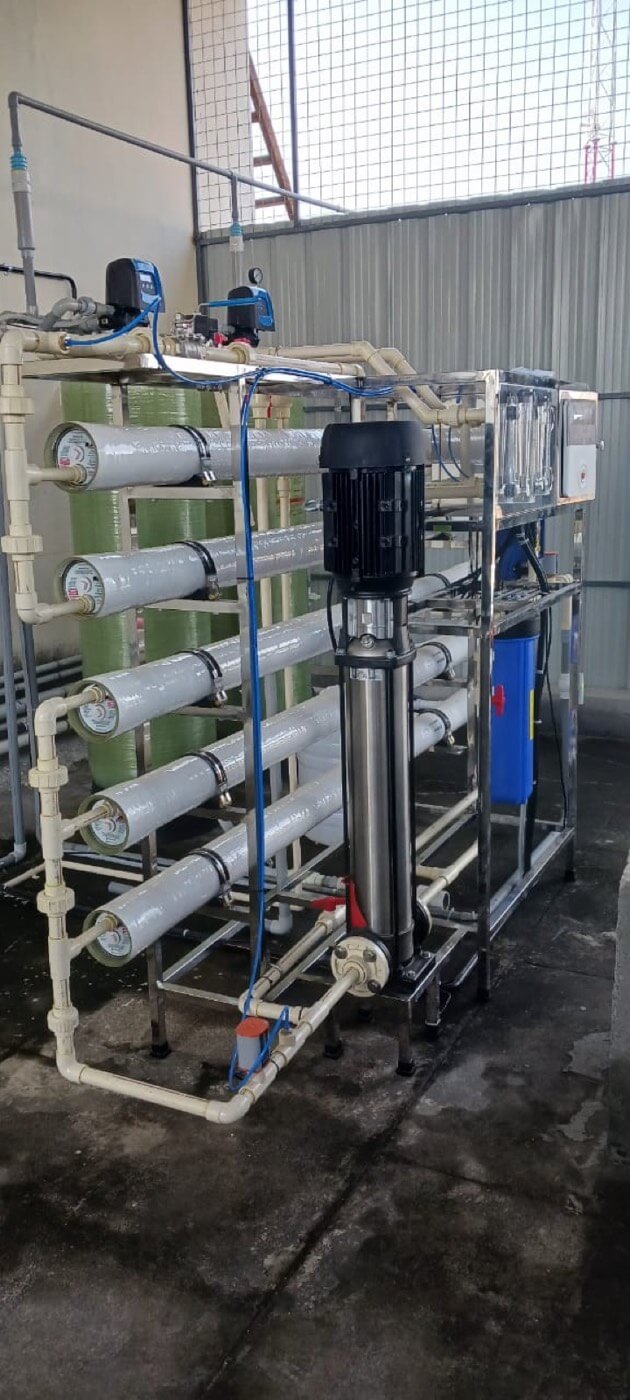
| Industrial, process, packaged or bulk supply | 1000 LPH and above | MS or SS skid, 4040 membrane, vertical multistage pump | High TDS, brackish water, plant area and power |
A 4500 LPH industrial unit may run at 50 to 55 percent recovery and use stainless steel or MS powder coated construction. Smaller 500 LPH plants commonly use FRP and 220V power; larger systems may need 415V.
HomeCare RO provides a free site visit in Kochi and surrounding areas before every quote. The technician checks TDS, hardness, visible contaminants, daily consumption, source pressure, storage space and electrical points. High hardness is handled by a water softener before the RO unit, which reduces scale and protects the membrane. Standard installation includes pre-filters, membrane housing, pump, control panel, storage tank and reject water line. Pricing and installation costs are transparent and stated upfront.
Sediment and carbon pre-filters, RO membranes and UV lamps have limited life. Replacement schedule depends on input water quality, daily use and reject water produced. High iron, salinity or hardness can shorten membrane life if pre-treatment is weak. HomeCare RO provides RO repair and AMC service for any brand, so a home purifier, office plant and softener can be maintained under one schedule. Maintenance visits check pressure, TDS after the membrane, tank hygiene and reject flow.
Common mistakes include choosing a plant without testing raw water first. A unit sized for municipal water will not cope with highly saline borewell water. Ignoring the reject water line, drain point and skid space is another mistake. Some buyers shortlist by colour or cabinet style, but a black, blue or grey purifier with wrong TDS handling will not solve a source water problem. Undersizing leads to low pressure and short pump cycles; oversizing wastes water and electricity.
To book a free water test or site visit in Kochi, message HomeCare RO on WhatsApp at +91 97464 88180. HomeCare RO checks water first and suggests a system only after site and TDS are clear.
A commercial RO plant should match daily output and raw water, not brand name. For 1000 LPH and above, choose an automatic skid, 4040 membranes, SS or MS powder coated frame, and UV after RO. HomeCare RO tests TDS and hardness first, then recommends capacity.
Use UF only for low TDS municipal or surface water where bacteria and turbidity are main concerns. RO is required when TDS, hardness, salinity or borewell contamination is high. A free water test gives a clear answer before spending.
Cost depends on raw water TDS, construction material, automation, pump type, and accessories such as UV and storage. A catalogue price without a water test can mislead. HomeCare RO gives a site-specific quote after a free visit, with transparent pricing and no hidden installation fees.
Profitability depends on capacity utilisation, input water quality, reject water handling, electricity, and maintenance. Many commercial users install RO plants for consistent quality and lower tanker dependence. HomeCare RO sizes the plant to actual demand so the buyer does not pay for unused capacity.