Purification Systems
Not sure which service you need?
Treatment Plants
Not sure which service you need?


Reach out on WhatsApp for a free site visit and quote.
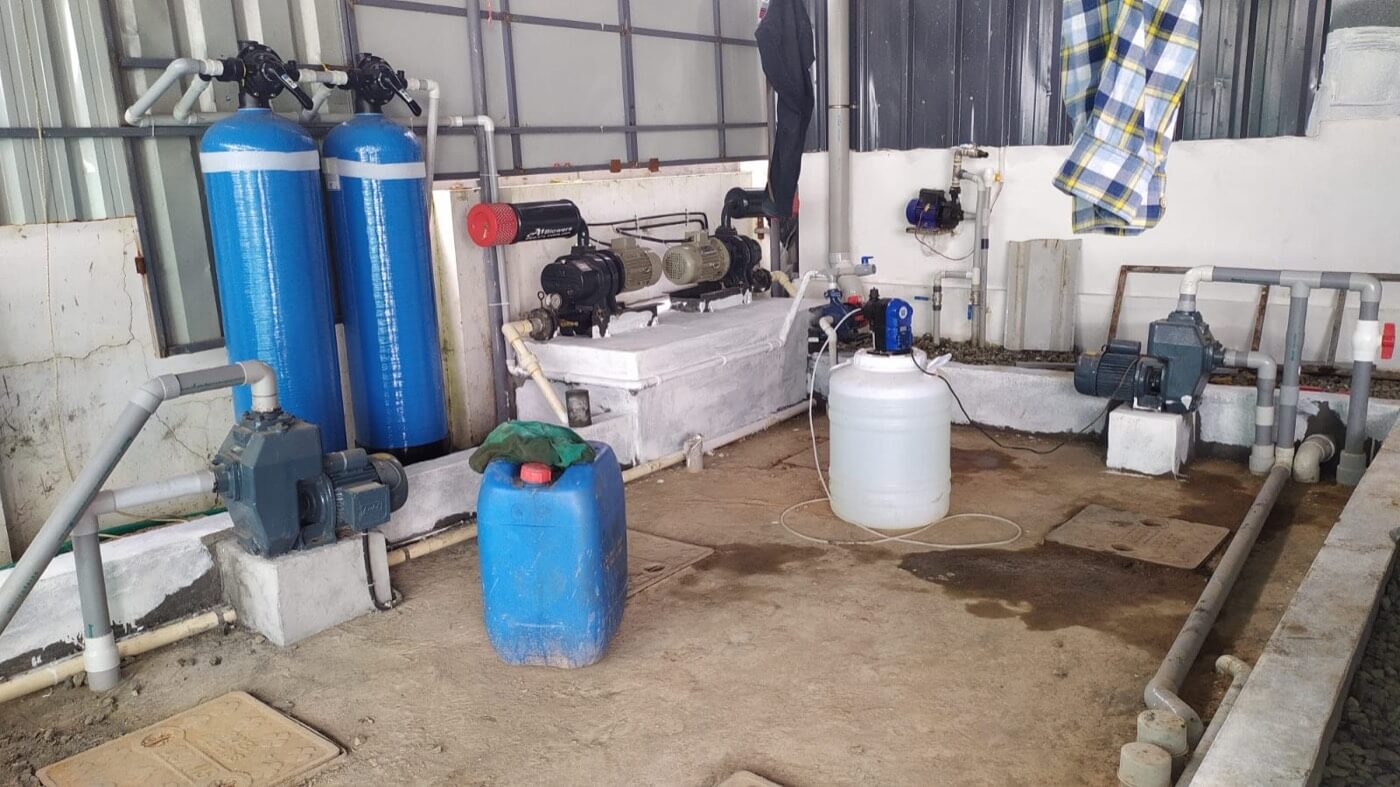
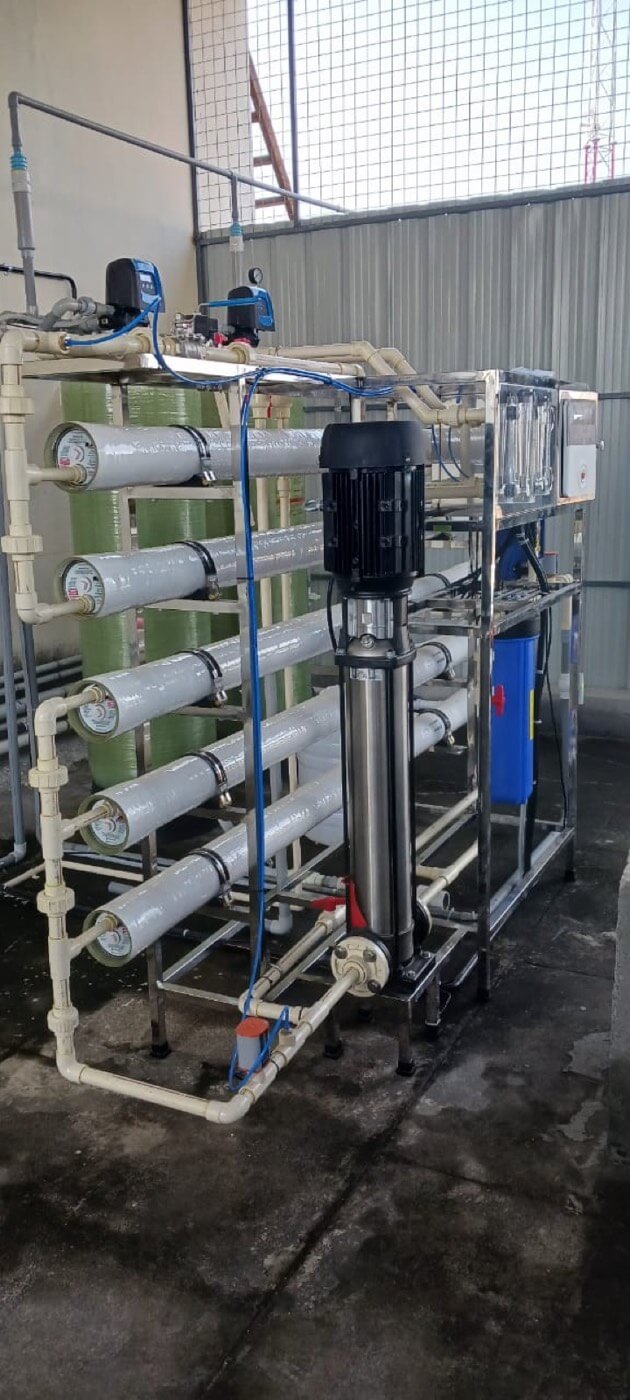
Workshops, small manufacturing units and commercial kitchens generate effluent that usually cannot be discharged untreated. HomeCare RO designs and installs effluent treatment plants sized to the process generating the effluent, aimed at bringing discharge parameters within locally applicable limits.
Treating industrial and commercial effluent before discharge
Genuine parts, transparent pricing, and a technician who shows up on schedule.
An effluent treatment plant, or ETP, is a wastewater treatment setup that removes suspended solids, oil, organic load, and chemical pollutants from industrial effluent before discharge or limited reuse. HomeCare RO provides ETPs for workshops and small manufacturing units in Kochi and nearby parts of Kerala, with sizing based on the specific process effluent generated. The core sequence is preliminary, primary, secondary, and tertiary treatment, but the exact equipment depends on inlet parameters and the discharge limits set for that unit.
A small-industry ETP usually works through four main stages. Compact plants often combine two or more of these stages into a single skid to save space.
| Stage | Main job | Common equipment or methods |
|---|---|---|
| Preliminary | Remove large solids, grit, fibre, oil, and debris that can damage downstream equipment | Bar screens, grit traps, oil and grease separators |
| Primary | Settle suspended solids and reduce turbidity | Coagulation, flocculation, sedimentation, skimming |
| Secondary | Let microorganisms break down dissolved organic matter | Activated sludge process, MBBR, or SBR |
| Tertiary | Polish water for discharge or planned reuse | Filtration, activated carbon, RO, UV, or chlorination |
In practice, most small-unit ETPs also include an equalization tank. This holds incoming effluent long enough to even out flow spikes and pH variations before the biological stage. That step matters for small factories that discharge effluent in batches rather than continuously.
A workshop or small manufacturing unit should consider an ETP if its wastewater is visibly coloured, oily, acidic, alkaline, or loaded with suspended solids. Another clear signal is a consent condition from the state pollution control board requiring treatment before discharge. Foul drains, frequent clogging, or complaints about stagnant water near the unit are also practical warning signs. An ETP is not the same as a packaged sewage treatment plant, because process effluent can carry oils, dyes, solvents, heavy metals, or high organic load that changes from one industry to another.
HomeCare RO sizes an ETP from the measured daily flow, peak batch volume, working hours, and inlet parameters rather than from a fixed brochure. A plant rated 10 KLD means it is designed for about 10,000 litres of effluent per day, but the correct rating depends on actual process flow. The choice between activated sludge, MBBR, and SBR depends on space, operator availability, power stability, and discharge limits. Inlet and outlet values for pH, TSS, COD, BOD, and oil and grease should be compared regularly to confirm that the plant is doing its job.
HomeCare RO starts with a free site visit and water test before any quote. A typical installation covers the collection sump, equalization, biological reactor, settling or filtration, and final polishing such as RO, UV, or UF if the unit plans to reuse water. If very low TDS water is needed for boiler feed or rinsing, a DM plant may be paired downstream of the ETP. The installation uses genuine parts, transparent pricing, and a technician who arrives on schedule.
Routine upkeep matters more than the initial equipment choice. Daily checks should cover pH, aeration, sludge level, dosing pump operation, and any froth, colour change, or unusual bacterial conditions in the biological tank. Common mistakes include poor sludge management, inconsistent pH monitoring, overloading after production increases, and inadequate aeration. These problems can reduce COD reduction efficiency quickly. Scheduled testing and plant upkeep help keep discharge parameters consistent over time, especially where small units face monsoon flow changes or variable process loads.
To understand what your specific effluent needs, book a free water test and site visit on WhatsApp at +91 97464 88180. HomeCare RO checks TDS, hardness, visible contaminants, and flow before recommending a plant.
A small ETP can be described as seven unit operations: screening, grit removal, oil and grease separation, equalization, coagulation and flocculation, biological treatment, and final filtration plus disinfection or RO. Not every plant needs all seven as separate tanks, compact skids often combine steps to save space.
There is no single better option. MBBR uses floating media inside an aerated tank and handles moderate load changes well. SBR treats effluent in batch cycles and can reduce the need for separate clarification, but it depends more on automation and timer control.
A 10 KLD ETP is designed for roughly 10,000 litres of effluent per day. Small industries often choose packaged 10 KLD units when their daily process flow is close to that figure, but the actual size should be based on measured flow and peak batch volume.
There is no single universal BOD limit. CPCB and the state pollution control board set limits based on industry category, receiving body, and consent conditions. A unit should treat BOD as a site-specific discharge parameter and follow the value shown in its own consent order.